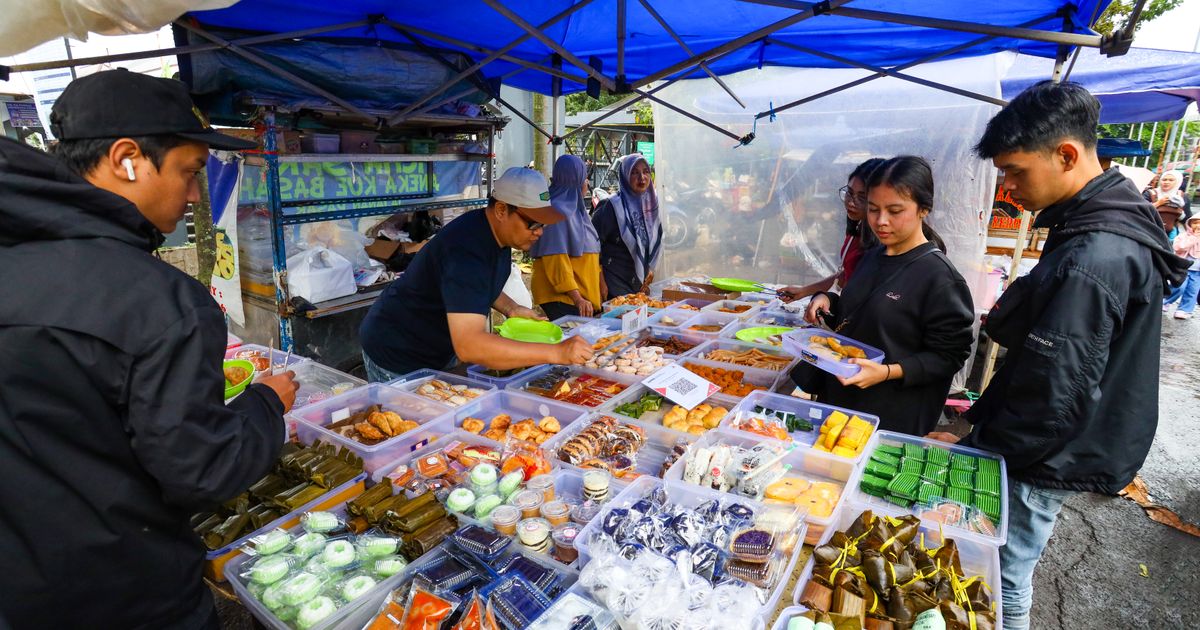
The price gap between a plate of street food and a sit-down restaurant meal is often the single biggest lever a traveler has over their daily food budget. In many destinations, a satisfying street food or market meal can cost a fraction of what the same dish would run at a restaurant just a few blocks away, yet the gap is not uniform everywhere and it does not always mean giving something up in quality or experience.
This article compares typical costs across street food, market stalls, casual restaurants, and sit-down dining, so you can decide where to spend more deliberately rather than by default. These comparisons work well alongside the broader numbers in how much to budget for food per day, since the mix of meal types you choose is what ultimately determines where in that daily range your trip lands.
What Counts as Street Food Versus a Restaurant Meal
Street food generally refers to meals bought from a vendor cart, food stall, or small informal counter, often eaten standing, on a bench, or taken to go. Market food sits close by, usually a step up in variety and sometimes seating, such as a hawker center or covered food market with multiple stalls. Casual restaurants and sit-down dining involve table service, a printed or posted menu, and typically a markup for the space, service, and overhead that a street vendor does not carry.
The cost difference between these tiers comes down to overhead more than ingredients. A street vendor usually has lower rent, fewer staff, and simpler equipment, all of which show up directly in the price charged per dish.
Typical Price Gaps Between Meal Types
In many parts of Southeast Asia, a street food meal often costs between 1 and 4 dollars, while a comparable dish at a casual sit-down restaurant in the same city might run 4 to 10 dollars, and a nicer restaurant with air conditioning and table service could charge 10 to 20 dollars or more for a similar core dish. That pattern, where street food runs roughly one-third to one-half the cost of a casual restaurant version of the same meal, shows up in many regions with a strong informal food culture, including parts of Latin America and South Asia.
In regions with a smaller street food sector, such as much of Western Europe or North America, the gap narrows because there are fewer ultra-low-cost informal options to begin with. There, the more useful comparison is often between a bakery, market stall, or food truck meal in the 5 to 12 dollar range and a casual restaurant meal in the 15 to 30 dollar range, which still represents a meaningful savings even without a classic street food scene.
Where the Savings Add Up Fastest
The savings from choosing street food or market meals compound quickly over multiple days. Swapping even one restaurant meal per day for a street food or market equivalent, at a typical savings of 5 to 15 dollars per meal depending on the destination, can reduce a week-long trip's food spending by 35 to 100 dollars without reducing the number of meals eaten or feeling like a sacrifice. This is one of the more painless ways to trim a travel budget, since it changes where you eat rather than how much or how often.
Breakfast and lunch tend to offer the largest relative savings from informal options, since many cultures have strong traditions of grab-and-go morning food and quick midday meals. Dinner is where travelers more often choose a sit-down restaurant regardless of cost, simply because evening dining is frequently part of the overall travel experience rather than just fuel.
Quality, Safety, and Experience Trade-Offs
Lower cost does not automatically mean lower quality. In many destinations, the most respected and sought-after versions of a local dish are served from a street stall or market vendor rather than a formal restaurant, and food quality is often judged by turnover, with busy, high-traffic vendors generally serving fresher food than slow ones. That said, informal food sources can vary more in hygiene standards from vendor to vendor than a licensed restaurant, so travelers who are especially cautious about food safety, or who are traveling with young children, may reasonably choose to lean more toward sit-down restaurants even at a higher cost.
There is also a real difference in experience and pace. A sit-down meal offers a place to rest, air conditioning or shelter from weather, and a slower pace that some travelers value enough to pay for regularly, particularly during a long day of walking or sightseeing.
Building a Mixed Approach Into a Travel Budget
Most travelers do not choose exclusively street food or exclusively restaurants, and a blended approach is often the most practical way to balance cost, comfort, and curiosity. A common pattern is informal food for breakfast and lunch, with a sit-down dinner most nights, which captures much of the savings potential of street food while still allowing for a relaxed evening meal. This mix also pairs naturally with small daily purchases like coffee and snacks, which often come from the same informal vendors used for quick meals.
Travelers who want to prioritize restaurant dining as part of the trip itself can still control costs by reserving that spending for dinner, while keeping breakfast and lunch informal, rather than eating every meal at a sit-down restaurant by default.
Illustrative per-meal cost comparison across meal types in USD. These figures are example ranges only and vary widely by destination, city, and vendor.
| Meal Type | Lower-Cost Region | Higher-Cost Region |
|---|---|---|
| Street food / stall | $1-$4 | $5-$12 |
| Market / food hall | $3-$7 | $8-$15 |
| Casual sit-down restaurant | $4-$10 | $15-$30 |
| Nicer sit-down restaurant | $10-$20+ | $30-$60+ |
How we estimated this
The price gaps described here are illustrative, drawn from comparing typical informal and restaurant pricing patterns across popular destinations rather than from a single verified data source. They are meant to show the general scale of savings travelers commonly report, not an exact multiplier that applies everywhere. Actual prices depend on the specific city, neighborhood, season, and vendor, and the gap between street food and restaurant pricing can be narrower in some destinations and wider in others, so these ranges should be used as a planning guide rather than a guarantee.
Common mistakes to avoid
- Assuming street food is always available or culturally common, when some destinations have little informal food culture to rely on.
- Choosing the first street stall or restaurant near a major attraction, where tourist-area pricing is often higher than average for that meal type.
- Overestimating savings by comparing a cheap street snack to a full multi-course restaurant meal rather than an equivalent portion.
- Avoiding street food entirely out of caution without checking which vendors are busiest and most recently cooked, which is often a better safety signal than price alone.
Frequently asked questions
How much cheaper is street food than restaurant food?
In many destinations with a strong informal food culture, street food often costs one-third to one-half of what a similar dish costs at a casual sit-down restaurant, and even less compared to a nicer restaurant. The exact gap varies by country and city, and is smaller in regions with less street food infrastructure.
Is street food safe to eat while traveling?
Street food is eaten safely by large numbers of travelers every day in most popular destinations, and choosing busy, high-turnover vendors where food is cooked fresh in front of you is generally considered a reasonable approach. Travelers with sensitive stomachs or specific health concerns may still prefer to stick to sit-down restaurants more often.
Should I avoid restaurants entirely to save money?
Not necessarily. A common and practical approach is to eat informally for breakfast and lunch while keeping a sit-down dinner most nights, which captures much of the savings of street food without giving up a relaxed evening meal.
Does the street food versus restaurant price gap exist everywhere?
The gap is largest in regions with a well-developed informal food sector, such as parts of Southeast Asia, South Asia, and Latin America. In regions like Western Europe or North America, the comparison shifts more toward bakeries and food trucks versus restaurants, with a narrower but still meaningful price difference.
Sources
- Destination dining and street food pricing comparisons published by travel and food writers
- Local cost-of-living and consumer price surveys covering food service categories
- Tourism board and hospitality industry guides on regional dining customs
- Traveler expense reports and budget travel community discussions on meal costs