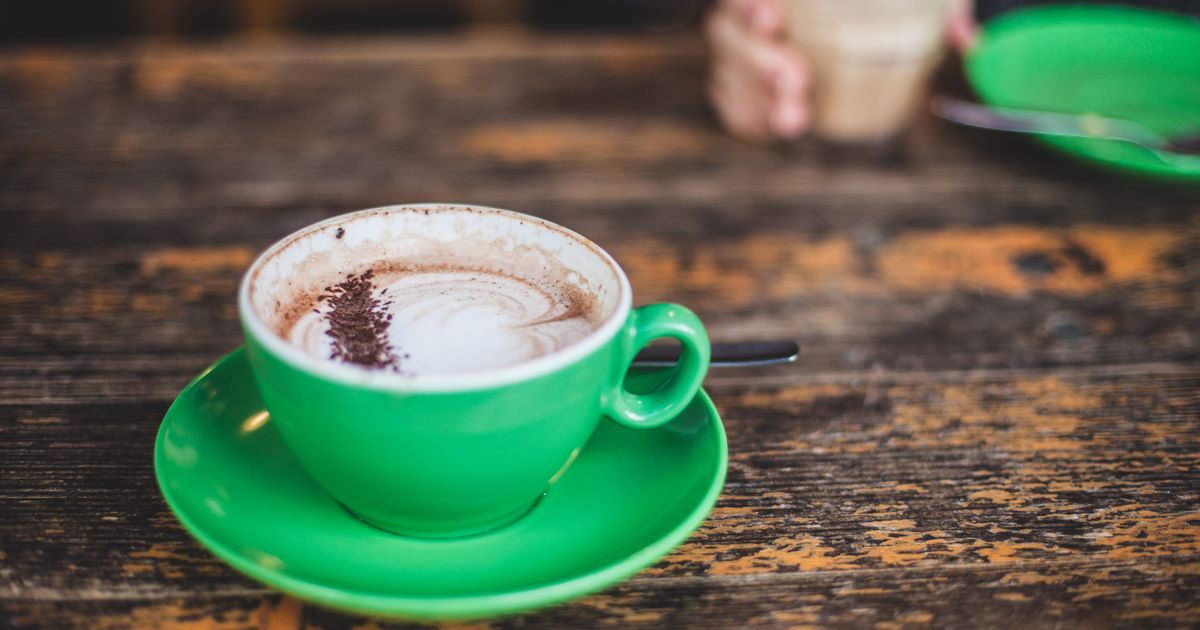
A daily coffee, a bottle of water, a pastry from a bakery window, a souvenir magnet, a tip left in a jar: none of these feel like they matter on their own, which is exactly why they tend to blow past what a traveler expects to spend. Small daily purchases rarely appear in a trip's main budget categories like lodging or flights, yet they can quietly add up to one of the largest unplanned costs of an entire trip.
This article looks at how much these small, easy-to-overlook purchases typically add to a trip's total cost, and how to build a realistic allowance for them instead of being surprised at the end. For the bigger picture of daily spending, see how much to budget for food per day, and for the general pattern of underestimated costs, see hidden travel costs first-time travelers miss.
Why Small Purchases Are So Easy to Underestimate
Small purchases slip through budget planning for a simple psychological reason: each individual item feels too minor to track. A 3 dollar coffee or a 2 dollar snack does not feel worth writing down, especially while on vacation and trying to relax rather than manage spreadsheets. The problem is that these purchases happen far more often than planned meals do, sometimes multiple times a day, and unlike a restaurant meal, they often happen on impulse rather than as part of a planned stop.
Because they are rarely tracked in the moment, these costs tend to only become visible after a trip, when a credit card or bank statement shows a total that feels higher than expected even though no single purchase looked expensive at the time.
Typical Categories and Their Daily Cost
Coffee and hot drinks are one of the most common small daily purchases, typically running 2 to 6 dollars per cup depending on the destination and whether it is a simple cafe or a tourist-area coffee shop. Bottled water and soft drinks add another 1 to 4 dollars per day for most travelers, especially in hot climates where multiple bottles get purchased throughout the day. Pastries, snacks, and quick bites between meals often run 2 to 5 dollars each and can happen once or twice a day without feeling like a full meal.
Beyond food and drink, small non-food purchases matter too: a public restroom fee, a locker rental, a small souvenir, a postcard, or a tip add another 2 to 8 dollars on an average day. Individually tiny, these categories together often total 10 to 25 dollars per person per day, a figure that rarely appears in a trip's headline budget but shows up clearly in the final spending once a trip is over.
How Much This Adds Up Over a Full Trip
Over a one-week trip, an unplanned 10 to 25 dollars per day in small purchases translates to roughly 70 to 175 dollars per person, enough to cover an extra night of lodging or a full day of activities in many destinations. On a two-week trip, that range doubles to roughly 140 to 350 dollars, which is often large enough to be one of the biggest single surprises travelers report after returning home, even bigger in some cases than a planned but underestimated category like local transportation.
For longer trips, the daily rate of small purchases often decreases slightly as travelers settle into routines and become more price-aware, but the cumulative total over several weeks can still represent a meaningful share of total spending, particularly for travelers who did not set any allowance for this category at all.
Building a Small Purchases Allowance Into a Budget
The most effective fix is simple: set a specific daily cash or spending allowance for small purchases before the trip begins, separate from meal budgets and major expenses. A daily allowance of 10 to 20 dollars per person, adjusted up or down based on destination cost level, gives these purchases a home in the budget instead of letting them appear as unplanned overspending.
Travelers who actively track spending during the trip, even with a simple daily note on a phone, tend to notice small purchase creep far earlier than those who only review spending after returning home, which makes it easier to adjust behavior mid-trip rather than after the fact.
Where Small Purchases Tend to Spike
Certain situations reliably increase small purchase spending above the daily average. Airports, train stations, and other transit hubs often charge a premium for coffee, snacks, and bottled water compared to a nearby grocery store or street vendor, sometimes two to three times as much. Major tourist attractions follow a similar pattern, with cafes and kiosks directly next to a landmark typically pricing above what the same item costs a few blocks away.
Hot weather destinations also tend to push small purchase spending up, simply because travelers buy more bottled drinks, ice cream, and cooling snacks throughout the day, a pattern worth planning for specifically when visiting warmer regions covered in guides like the Southeast Asia travel cost guide.
Illustrative daily small purchase costs by category in USD per person. These are example figures only and will vary by destination and individual habits.
| Category | Typical Daily Range |
|---|---|
| Coffee / hot drinks | $2-$6 |
| Bottled water / soft drinks | $1-$4 |
| Pastries / quick snacks | $2-$5 |
| Tips, restroom fees, small incidentals | $2-$8 |
| Estimated daily total | $10-$25 |
How we estimated this
The figures in this article are illustrative estimates based on common pricing patterns for everyday small purchases across popular travel destinations, combined with general patterns reported by travelers reviewing their own trip spending. They are not derived from a single verified survey and should be treated as a planning guide rather than an exact prediction. Actual small purchase spending depends heavily on personal habits, climate, destination cost level, and how deliberately a traveler tracks this category during the trip, so real totals can land noticeably above or below these ranges.
Common mistakes to avoid
- Not setting any specific allowance for small purchases and treating them as if they do not need to be budgeted at all.
- Underestimating how often small purchases happen, since they occur more frequently per day than planned meals.
- Buying coffee, snacks, and water consistently at airports, train stations, or attraction kiosks where prices run well above average.
- Only reviewing total spending after the trip instead of tracking small purchases day by day, which makes it harder to adjust behavior while traveling.
Frequently asked questions
How much do small daily purchases really add to a trip budget?
Many travelers find small daily purchases like coffee, snacks, water, and tips add up to roughly 10 to 25 dollars per person per day, which translates to 70 to 350 dollars or more over a one to two week trip. This category is frequently larger than travelers expect because no single purchase feels significant at the time.
What counts as a small daily purchase versus a planned expense?
Small daily purchases are typically unplanned, low-cost items bought on impulse, such as a coffee, a snack, a bottle of water, a tip, or a small souvenir. Planned expenses like restaurant meals, lodging, and transportation are usually budgeted separately and tend to be tracked more carefully.
How can I avoid overspending on small purchases while traveling?
Setting a specific daily cash or spending allowance before the trip, and tracking purchases day by day rather than reviewing everything after returning home, are two of the most effective ways to keep this category under control without having to give up small daily treats entirely.
Do small purchases matter more on short trips or long trips?
They tend to matter in different ways. On short trips, the daily rate of small purchases is often higher since travelers are less price-aware, while on long trips the daily rate may ease slightly but the cumulative total over many weeks can still become a significant share of overall spending.
Sources
- Traveler spending diaries and budget-tracking app usage patterns shared in travel communities
- Destination pricing comparisons for everyday items such as coffee, snacks, and bottled drinks
- Transit hub and tourist attraction concession pricing observations from travel writers
- General consumer spending research on small, frequent purchase behavior