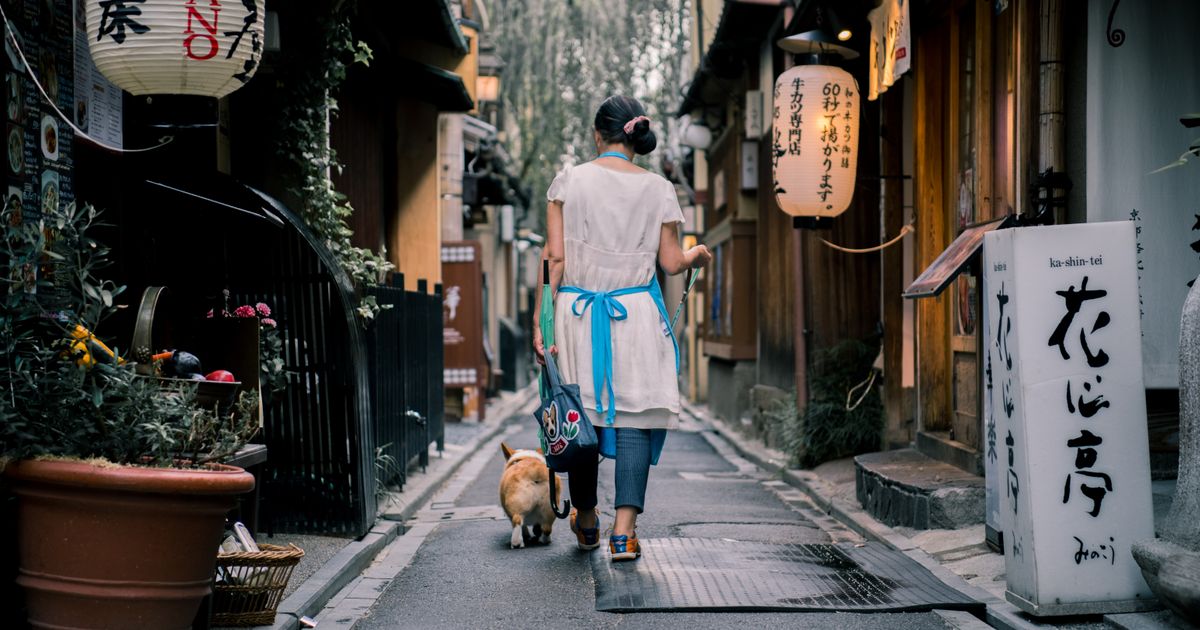
Japan and South Korea are often grouped together by travelers planning a trip to East Asia, and the two countries share some similarities in cost structure, though they also differ in meaningful ways. Both offer excellent public transportation, a strong food scene at nearly every price point, and generally reliable, predictable pricing that tends to be easier to estimate in advance than destinations with more informal pricing norms. Overall costs usually land somewhat below Western Europe but above most of Southeast Asia.
This guide covers typical ranges for lodging, food, and local transportation in Japan and South Korea, along with where the two countries differ and how to think about timing for better value. All numbers below are illustrative estimates for planning purposes, not confirmed prices, and actual costs will vary by city, season, and personal travel style.
Typical lodging costs
In Japan, a capsule hotel or hostel bed often costs $25 to $45 per night, a basic business hotel room commonly runs $60 to $100 per night, and a comfortable midrange hotel typically falls between $110 and $200 per night, with traditional ryokan inns sometimes costing considerably more due to included multi-course meals. South Korea runs somewhat lower on average, with hostel beds often around $18 to $35 per night, midrange hotel rooms commonly $55 to $95 per night, and comfortable hotels in the $100 to $170 range in most cities.
In both countries, Tokyo and Seoul generally cost more than secondary cities, sometimes 20 to 35 percent higher for comparable lodging, so travelers extending a trip into cities like Osaka, Kyoto, Busan, or Jeju can often stretch a budget further. More detail on how city tier affects pricing is covered in lodging cost guides.
Typical food costs
Food in both countries can be very affordable at the casual end, with convenience store meals, ramen shops, and casual noodle or rice bowls typically costing $5 to $10 in Japan and $4 to $9 in South Korea. A sit-down restaurant meal in either country commonly runs $12 to $25, and a higher-end dinner, including some sushi restaurants in Japan or Korean barbecue spreads in Korea, can range from $30 to $70 or more per person depending on the venue.
Department store food halls and convenience stores in both countries offer a surprisingly good value middle ground, often providing high-quality prepared food for $6 to $12 that would cost considerably more at a sit-down restaurant.
Local transportation and transit passes
Both countries have extensive, efficient public transit systems. A single subway ride in Tokyo, Osaka, or Seoul typically costs $1.50 to $2.50, and travelers covering a lot of ground in a single city often benefit from a multi-day transit pass, which can meaningfully reduce the average cost per ride for a busy sightseeing schedule. For intercity travel in Japan, the shinkansen bullet train is fast but can be expensive on a point-to-point basis, so travelers planning several long-distance legs should compare the cost of individual tickets against a rail pass option for their specific route.
Flights and getting there
Flight costs to Japan or South Korea are generally higher than to closer regions like Mexico or Central America, and travelers should budget accordingly when planning overall trip cost. Within the cabin, comparing economy against premium economy is particularly relevant for these longer Pacific routes, since the added comfort on a ten- to fourteen-hour flight can be worth a meaningful price difference for some travelers, while others find standard economy perfectly workable for a trip of this length.
Regional cost variation
Within Japan, Tokyo and Kyoto tend to be the priciest for lodging due to tourist demand, while cities like Osaka, Fukuoka, and Hiroshima often offer similar experiences at somewhat lower cost. Within South Korea, Seoul carries the highest costs, while Busan, Jeju, and smaller cities typically run 15 to 25 percent cheaper for comparable lodging and dining.
Best time to visit for cost savings
In Japan, cherry blossom season in spring and the fall foliage period are both extremely popular and tend to bring the highest lodging prices and most limited availability, so booking well ahead is important if traveling then. Winter outside major holidays, and early summer before the rainy season intensifies, often bring lower prices. In South Korea, similar seasonal patterns apply, with spring and fall generally the most popular and most expensive, and winter typically offering better lodging value outside of ski resort areas.
Planning trip length
Because of the long flight and significant time difference from home, many travelers plan a one-week trip focused on one or two cities, while others extend to ten days or two weeks to combine both countries or add more regional stops within Japan. Shorter trips generally mean the fixed cost of the international flight makes up a larger share of the total budget, which is worth factoring in when comparing trip lengths.
Illustrative daily per-person cost estimate for a Japan or South Korea trip, in USD. Actual costs vary by country, city, and travel style.
| Category | Budget | Moderate | Comfortable |
|---|---|---|---|
| Lodging | $22-$40 | $65-$105 | $120-$200 |
| Food | $18-$28 | $35-$55 | $65-$100 |
| Local transportation | $6-$10 | $12-$20 | $25-$40 |
| Estimated daily total | $46-$78 | $112-$180 | $210-$340 |
How we estimated this
The ranges above reflect general patterns from published cost-of-living comparisons, national tourism board visitor guidance, and widely reported travel cost information for Japan and South Korea. They are intended as planning estimates rather than exact prices, and actual costs will vary depending on the specific cities visited, season, exchange rates, and personal spending habits. For a more tailored estimate based on your planned itinerary and number of travelers, try the trip budget calculator.
Common mistakes to avoid
- Assuming Japan and South Korea cost the same across every category, when Japan is generally somewhat more expensive overall, especially for lodging and intercity rail travel.
- Buying individual shinkansen or intercity rail tickets without comparing the cost against a rail pass for an itinerary with several long-distance legs.
- Underbudgeting for the international flight itself, which often represents a larger share of total trip cost on a shorter one-week trip than on a longer itinerary.
- Skipping convenience store and food hall options in favor of only sit-down restaurants, missing an affordable and high-quality middle option available in both countries.
Frequently asked questions
Is Japan more expensive than South Korea for travelers?
Generally, yes, though the difference is often smaller than many travelers expect. Lodging and long-distance rail travel in Japan tend to run somewhat higher than in South Korea, while casual dining costs in both countries are fairly comparable.
How much does a one-week trip to Japan or South Korea typically cost?
Excluding international flights, many travelers find a moderate one-week trip, covering one or two cities, often falls between $800 and $1,300 per person. Including a round-trip long-haul flight, total cost is commonly higher, since Pacific flights tend to be pricier than flights to closer regions.
Is a Japan Rail Pass worth the cost?
It depends on the itinerary. For trips involving several long-distance shinkansen legs, a rail pass can offer real savings, while for a trip focused on one or two nearby cities, buying individual tickets or using regional passes may work out cheaper. Comparing the specific planned routes against pass pricing before purchase is the best way to decide.
When is the cheapest time to visit Japan or South Korea?
Winter outside major holiday periods and early summer before the rainy season intensifies generally offer lower lodging prices and smaller crowds in both countries. Spring cherry blossom season and fall foliage season are the most popular and typically the most expensive times to visit.
Sources
- National tourism board published visitor cost guidance for Japan and South Korea
- Official government country-specific travel information pages
- General published cost-of-living comparison data for major Japanese and South Korean cities
- Rail operator published fare and rail pass guidance for Japan and South Korea
- Public transit authority fare schedules for Tokyo, Osaka, and Seoul