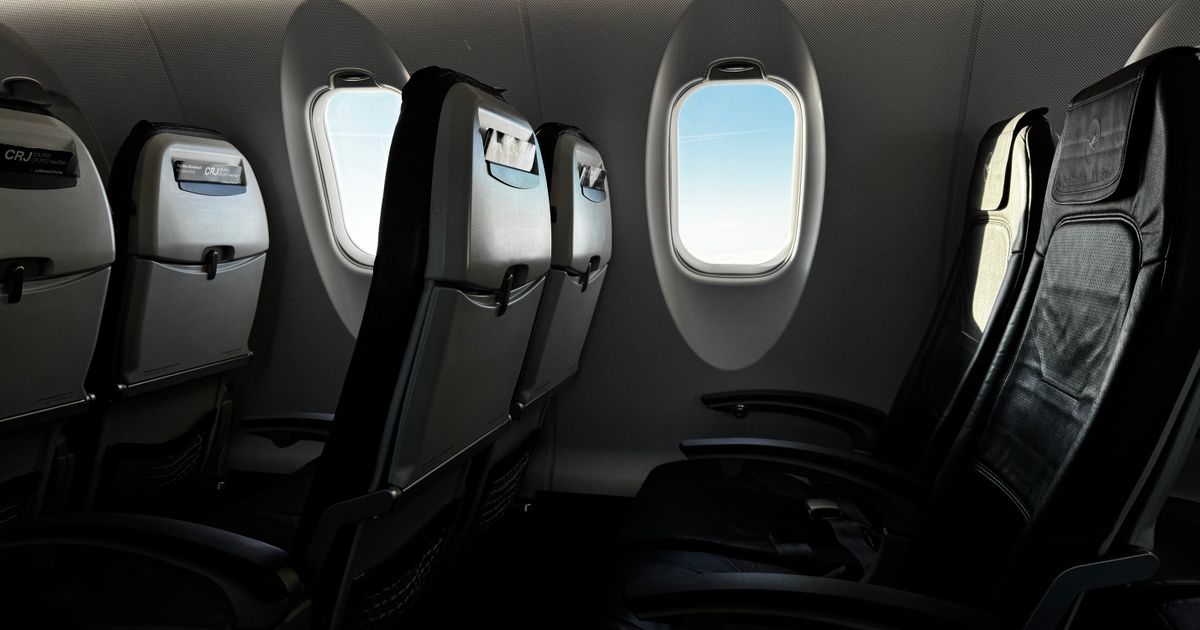
Premium economy sits in a strange middle ground between a standard economy seat and business class, and its value depends heavily on flight length, your own comfort priorities, and how much the upgrade actually costs on a given route. For some travelers it is a meaningful quality-of-life improvement; for others it is an expensive way to get a slightly wider seat.
This article walks through what premium economy typically adds, what it typically costs compared to standard economy, and how to decide whether the difference is worth it for your specific trip rather than assuming the answer is always yes or always no.
What premium economy usually includes
Premium economy cabins vary by airline, but most share a few common upgrades over standard economy: a wider seat with several more inches of recline and legroom, a larger personal item or carry-on allowance, and sometimes priority boarding. Many carriers also include an upgraded meal service and amenity kit on long-haul routes, along with a quieter cabin section with fewer rows.
What premium economy is not, on most airlines, is lie-flat seating or the kind of service associated with business class. It is best understood as a meaningfully better version of economy rather than a budget version of business. Knowing this distinction helps set realistic expectations before comparing the price difference.
Typical price gap between economy and premium economy
On short and medium regional flights, the jump from standard economy to a premium or extra-legroom economy seat often adds somewhere between 30 and 120 dollars each way, frequently sold as a seat upgrade rather than a separate cabin. On long-haul international routes, true premium economy cabins typically add 300 to 900 dollars round trip over standard economy, though this can climb higher on very long routes or during peak season. For context on how base economy fares are estimated in the first place, see how flight costs are estimated.
The percentage increase is often more useful than the dollar figure alone. On many long-haul routes, premium economy runs roughly 40 to 90 percent above the standard economy fare for the same flight, which is a smaller jump than the move from economy to business class, but still a significant add-on to a trip budget.
When the upgrade tends to pay off
Flight length is the biggest factor in whether premium economy feels worth it. On a flight under about four hours, the comfort difference is usually too small to justify the added cost for most travelers, since you are not in the seat long enough to feel real fatigue from a standard economy layout. On flights of eight hours or more, particularly overnight long-haul segments, the extra recline and legroom can meaningfully improve rest, which has knock-on value if you are arriving to start sightseeing or work the same day.
Personal factors matter just as much as flight length. Taller travelers, those with back or joint issues, and anyone who has a hard time sleeping upright on planes tend to get more practical benefit from the upgrade than someone who sleeps easily in any seat. If comfort and arrival-day energy are a priority for your trip style, this is worth weighing against budget, moderate, and comfortable travel styles more broadly, not just the flight segment.
When it is usually not worth the extra cost
If your trip budget is tight and the premium economy upgrade would require cutting into your lodging or activity budget elsewhere, standard economy on a short-to-medium flight is rarely where comfort spending has the highest payoff. The same dollars often buy a bigger quality-of-life improvement when applied to a better located hotel room or a few nicer meals during the actual trip, compared to a few extra inches of legroom for one travel day.
It is also often not worth it on routes where the premium economy cabin is really just a renamed economy seat with marginal extra space, which does happen on some shorter international routes marketed as premium economy. Checking what is actually included, rather than assuming the name guarantees a meaningfully different seat, avoids paying a sizable markup for a small upgrade.
Comparing the full cost, not just the seat price
A fair comparison looks at everything bundled into each fare class, not just the seat itself. Premium economy fares often include a larger baggage allowance than the cheapest economy fares, which can close part of the price gap if you were going to pay baggage fees anyway. Reviewing how baggage fees change your real flight cost alongside the cabin comparison gives a more accurate total price difference between the two options.
It also helps to compare against the specific economy fare you would actually book, not the cheapest possible economy fare on a different, less convenient flight. If the realistic economy alternative is already a mid-tier fare with a decent baggage allowance, the true premium economy markup is smaller than it first appears.
Illustrative round-trip fare comparison between economy and premium economy by flight length, for general planning purposes only.
| Flight length | Typical economy | Typical premium economy | Typical added cost |
|---|---|---|---|
| Short/medium regional (under 5 hrs) | $150-$400 | $220-$550 | $60-$180 |
| Long-haul (8+ hrs) | $800-$1,400 | $1,150-$2,100 | $300-$900 |
How we estimated this
The figures above are general planning estimates drawn from commonly observed patterns in how airlines price premium economy relative to standard economy, not a quote tied to any specific airline, route, or travel date. The actual price gap varies by carrier, route distance, season, and how early the ticket is purchased, and some airlines price premium economy closer to business class while others keep it much closer to economy. Treat these ranges as a starting point for deciding whether to research the upgrade further for your own itinerary, not as a guaranteed cost.
Common mistakes to avoid
- Assuming premium economy always means a lie-flat or business-class-style seat.
- Comparing the premium economy price to the cheapest possible economy fare instead of the realistic economy option you would actually book.
- Paying for a comfort upgrade on a short flight where the practical benefit is minimal.
- Ignoring the larger baggage allowance often bundled into premium economy, which can offset part of the price gap.
Frequently asked questions
Is premium economy worth it for a long-haul overnight flight
For many travelers, yes, particularly on flights of eight or more hours where the extra recline and legroom can noticeably improve rest. Whether it is worth it for you personally depends on how well you sleep in a standard seat and how much the specific upgrade costs on your route.
How much more does premium economy usually cost than economy
On long-haul international routes, premium economy often adds roughly 300 to 900 dollars round trip over standard economy, which can translate to a 40 to 90 percent increase over the base fare. On shorter regional flights, the gap is typically much smaller, often 60 to 180 dollars.
Does premium economy include extra baggage allowance
On many airlines, yes, premium economy fares include a larger checked baggage allowance than the lowest-tier economy fares. This can make the real price difference smaller than it first appears if you would have paid baggage fees on a basic economy ticket anyway.
Is it better to spend extra money on premium economy or a nicer hotel
This depends on your priorities, but many travelers find that comfort spending on a longer stay, such as a better located hotel room, delivers more day-to-day benefit than a single upgraded flight segment. It is worth weighing both options against your total trip budget rather than deciding on the flight alone.
Sources
- Airline-published cabin comparison pages describing seat dimensions and included amenities.
- Airline fare class and baggage allowance schedules.
- General travel industry commentary on premium economy pricing trends.
- Consumer travel guidance on comfort tradeoffs for long-haul flights.