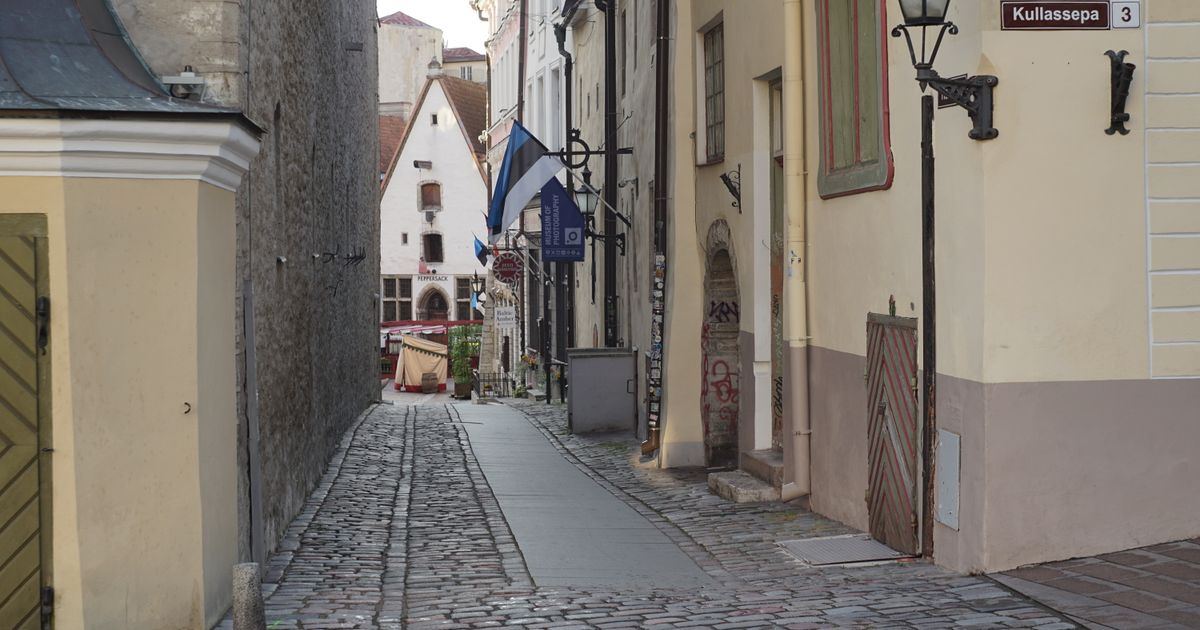
Western Europe covers some of the most visited countries in the world, from France and Italy to Germany, the Netherlands, and Spain. Because the region is so well developed for tourism, travelers can usually find reliable, high-quality infrastructure at almost any budget level, but the overall cost of a trip tends to sit higher than in many other parts of the world. Understanding why costs vary so much between a capital city and a smaller regional town, and between peak summer and the shoulder seasons, makes it much easier to build a realistic budget before you book anything.
This guide breaks down typical ranges for lodging, food, and local transportation in Western Europe, along with the factors that push a trip toward the lower or higher end of those ranges. The numbers below are illustrative estimates meant to help with early planning, not fixed prices, and they will shift depending on the specific country, the time of year, and your personal travel style.
Typical lodging costs in Western Europe
Lodging is usually the single largest line item for a Western Europe trip, and it varies enormously by city tier. In major capitals such as Paris, London, or Amsterdam, a basic hostel bed or budget hotel room often falls somewhere in the $35 to $70 per night range, a modest midrange hotel room commonly runs $110 to $190 per night, and a comfortable three- or four-star hotel can reach $220 to $350 or more per night. In smaller cities and towns, or in countries like Portugal and parts of Spain where costs skew lower than Northern Europe, those same tiers can drop by 25 to 40 percent.
Vacation rentals and apartments can be a reasonable middle ground, especially for stays of four nights or longer, since nightly rates often decrease the longer you book. Travelers weighing a hotel against an apartment may find it useful to compare options in lodging cost guides before locking in a destination.
Typical food and dining costs
Food costs in Western Europe span a wide range because the region offers everything from inexpensive bakery lunches and street-side crepes to formal multi-course dinners. A simple self-catered breakfast plus a casual lunch might run $15 to $25 per day in total, while a traveler eating mostly at casual cafes and mid-range restaurants for all three meals often lands between $45 and $75 per day. Travelers who want at least one sit-down restaurant dinner with wine most nights, plus casual meals otherwise, should typically plan for $80 to $130 per day.
Grocery stores and markets are generally affordable relative to restaurants across the region, and buying bread, cheese, and produce for a few meals each week can meaningfully reduce the daily average without sacrificing much of the local food experience.
Local transportation and getting between cities
Within cities, a single public transit ride typically costs $2 to $4, and an unlimited day pass often runs $8 to $15, which usually pays for itself after three or four rides. Between cities, Western Europe's rail network is extensive and generally efficient, and comparing trains, buses, and short flights for each leg of a trip is worth doing, since prices can flip depending on how far in advance you book and whether you choose a high-speed or regional route.
Budget airlines connect many Western European cities for relatively low base fares, but added fees for bags, seat selection, and airport transfers can erase much of that savings, so it helps to price the full itinerary rather than just the headline fare.
Seasonal cost swings
Peak season, roughly June through August, brings the highest lodging and flight prices across almost the entire region, along with the largest crowds at major sights. Shoulder season, generally April to May and September to October, often brings noticeably lower lodging rates, sometimes 15 to 30 percent below peak, along with milder weather in most countries. Winter travel outside of the December holiday period tends to offer the lowest prices overall, though some attractions and tour operators reduce hours or close entirely in smaller towns.
Regional cost variation within Western Europe
Cost of travel is not uniform across the region. Switzerland, Norway, and parts of France and Germany tend to sit at the higher end for lodging, food, and transit. Portugal, Spain, and parts of Italy outside the largest tourist cities generally run lower across nearly every category, often 20 to 35 percent cheaper than Northern Europe for comparable lodging and meals. Even within a single country, a capital city will usually cost noticeably more than a regional town of similar size and amenities.
Building a multi-country itinerary
Many Western Europe trips cover more than one country, which adds planning complexity around rail passes, border crossings, and currency differences in countries outside the eurozone. When mapping out a multi-country itinerary, it generally makes sense to budget more travel days for longer rail or bus legs and to weigh whether a rail pass or individual point-to-point tickets work out cheaper for your specific route. A two-week trip covering three or four countries is a common itinerary length for first-time visitors to the region, and it allows enough time in each stop to avoid feeling rushed.
Illustrative daily per-person cost estimate for a Western Europe trip, in USD. Actual costs vary by city, season, and travel style.
| Category | Budget | Moderate | Comfortable |
|---|---|---|---|
| Lodging | $35-$55 | $100-$150 | $220-$320 |
| Food | $20-$30 | $50-$75 | $90-$140 |
| Local transportation | $6-$10 | $12-$18 | $25-$40 |
| Estimated daily total | $61-$95 | $162-$243 | $335-$500 |
How we estimated this
The ranges in this guide are drawn from general patterns found in published cost-of-living comparisons, national and city tourism board visitor guidance, and widely reported travel cost surveys across Western European destinations. They are intended as a starting point for planning, not as a quoted price for any specific trip, and actual costs will vary based on the exact cities visited, the time of year, current exchange rates, and individual spending habits. Use these figures alongside the trip budget calculator to build a more personalized estimate for your own itinerary.
Common mistakes to avoid
- Assuming all of Western Europe costs the same, when Northern European countries and major capitals often run 25 to 40 percent higher than Southern Europe or smaller towns.
- Booking only based on headline flight or train fares without accounting for baggage fees, seat reservations, or last-mile transit to and from stations and airports.
- Underestimating how much peak summer pricing adds to lodging, sometimes 30 percent or more above shoulder season rates in the same city.
- Forgetting that sit-down restaurant meals with wine or multiple courses can roughly double or triple a daily food budget compared to casual cafes and bakeries.
Frequently asked questions
Is Western Europe more expensive than other regions for travelers?
Generally, yes. Western Europe tends to run higher than Southeast Asia, Central America, and much of South America for lodging and dining, mainly because of a higher overall cost of living and strong tourist demand. It is often comparable to or slightly below costs in Japan or South Korea for mid-range travel.
What is the cheapest time of year to visit Western Europe?
Late fall through early spring, excluding the December holiday period, typically offers the lowest lodging and flight prices. Shoulder months like April, May, September, and October often balance reasonable prices with still-favorable weather in most countries.
Which Western European countries are the most budget-friendly?
Portugal, Spain outside major hotspots, and parts of Italy and Greece's neighboring regions tend to be more affordable than Switzerland, Norway, or major capitals like Paris and London. Choosing regional towns over capital cities within any country can also meaningfully lower costs.
How much should I budget per day for a moderate Western Europe trip?
Many travelers find that a moderate daily budget, covering mid-range lodging, a mix of casual and sit-down meals, and local transit, typically falls between $160 and $245 per person, though this varies by country and city.
Sources
- National and city tourism board published visitor cost guidance for major Western European destinations
- Official government country-specific travel information pages
- General published cost-of-living comparison data for major European cities
- Public transit authority fare schedules for major Western European cities
- Rail operator published fare guidance for intercity and high-speed routes in the region