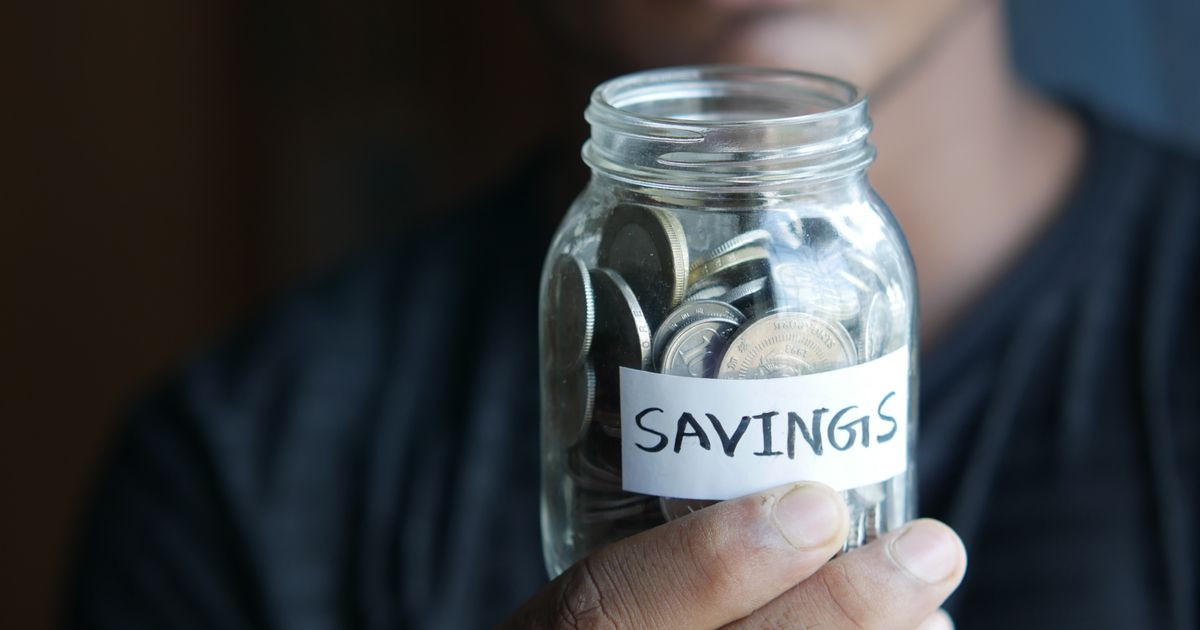
Saving for an international trip in six months is realistic for most budgets, but it works far better when you start with a clear target number instead of a vague hope that money will be left over each month. Travelers who hit their goal on time usually work backward from an estimated trip cost and turn that number into a small, repeatable weekly habit rather than trying to save a large lump sum at the last minute.
This guide walks through how to size a six-month savings goal, build a routine that is easy to sustain, and adjust early if you fall behind pace. It pairs well with a full trip budget walkthrough if you have not yet estimated what the trip itself will cost.
Start With a Realistic Total, Not a Guess
Before you can save effectively, you need a number to save toward. Many first-time trip savers either underestimate badly or pick a round figure with no real connection to the destination they have in mind. A more reliable approach is to rough out flights, lodging, food, local transportation, and activities as separate categories, then add a buffer of roughly 10 to 15 percent on top for the unexpected.
For a two-week international trip, total costs for a moderate travel style often fall somewhere between $2,200 and $4,500 per person, depending heavily on destination and season. A shorter trip or a budget-friendly region in Southeast Asia or Central America can land meaningfully lower, while Western Europe or Japan during peak season often lands higher. Working through a trip budget calculator before you start saving makes the six-month plan far more accurate than guessing at a round number.
Convert the Total Into a Weekly Savings Target
Once you have a target range, divide it by the number of weeks until departure. A $3,000 goal spread across 26 weeks works out to roughly $115 per week, which is usually easier to picture and sustain than a single intimidating lump sum. Breaking the goal down this way also makes it obvious early if the pace is unrealistic, giving you months to adjust the trip scope or timeline instead of discovering a shortfall in the final weeks.
Many savers find it helpful to split the weekly target into two smaller transfers timed to paydays rather than one larger transfer. Smaller, more frequent transfers tend to get skipped less often than a single large one that has to compete with rent, groceries, and other fixed bills.
Set Up a Dedicated Savings Routine
A savings routine kept separate from everyday spending money is one of the most reliable ways to actually hit a six-month goal. This simply means keeping trip funds in an account you do not touch for daily expenses, and automating a transfer into it right after each paycheck lands rather than waiting to see what happens to be left over at the end of the month.
The specific tool matters far less than the consistency. Whether that is a separate savings account at your existing bank, a labeled sub-account, or a simple envelope system for cash, the goal is to make saving the default action rather than something you have to remember to do each week. Pair this with a monthly check-in against your overall estimate from your trip budget breakdown so small shortfalls get caught early rather than late.
Trim Costs Without Shrinking the Trip
Six months is usually enough time to free up meaningful savings without a dramatic lifestyle change. Common areas travelers trim include dining out, subscription services they rarely use, and small discretionary purchases that quietly add up over weeks. Redirecting even $50 to $100 a month from these categories toward the trip fund can close a real gap in an otherwise tight savings goal.
It helps to treat these cuts as temporary and trip-specific rather than permanent lifestyle changes, which tends to make them easier to stick with for a defined six-month window. Reviewing the last two or three months of bank and card statements is usually the fastest way to spot categories worth trimming, since most people underestimate how much goes toward small recurring purchases.
Check Progress Monthly and Adjust Early
A six-month plan works best with a monthly checkpoint rather than waiting until the trip is close. At each checkpoint, compare actual savings against the weekly target multiplied by the number of weeks elapsed. If you are behind by more than one or two weeks worth of savings, it is far easier to make a small correction in month two or three than to try to catch up in the final month before departure.
Adjustments can go either direction: trimming the trip scope slightly, extending the timeline a few weeks if the departure date is flexible, or temporarily increasing the weekly transfer. Building this habit of checking in monthly also makes it easier to track spending once the trip itself begins, since you will already be used to comparing actual numbers against a plan.
Handle Irregular Income or Unexpected Windfalls
If your income is irregular, such as freelance work, tips, or variable commissions, a fixed weekly target can feel discouraging during slow weeks. A more flexible approach is to set aside a percentage of each payment, such as 10 to 15 percent, as it arrives rather than a fixed dollar figure. This keeps the habit consistent even when the amounts vary from week to week.
Windfalls such as a tax refund, a work bonus, or a cash gift are also a practical way to catch up quickly if you fall behind pace. Directing even half of an unexpected windfall to the trip fund can make up several weeks of lost ground without touching your regular monthly budget.
Finalize the Budget Before You Book
In the final month before departure, revisit the full trip budget one more time, including the items on your pre-trip budget checklist, such as travel insurance, entry requirements, or baggage costs that are easy to forget early in the planning process. Confirming these line items before locking in flights and lodging helps avoid a late surprise that eats into the cushion you spent six months building.
An illustrative six-month savings timeline for a $3,000 trip goal. Actual amounts and pacing will vary by trip cost, destination, and personal income.
| Month | Weekly Target | Approx. Cumulative Saved |
|---|---|---|
| Month 1 | $115 | $500 |
| Month 2 | $115 | $1,000 |
| Month 3 | $115 | $1,500 |
| Month 4 | $115 | $2,000 |
| Month 5 | $115 | $2,500 |
| Month 6 | $115 | $3,000 |
How we estimated this
The weekly and monthly figures in this article are illustrative estimates built by dividing a sample total trip cost by a six-month timeline, not guaranteed outcomes for any specific traveler. Actual totals depend on destination, season, travel style, and how closely your real spending matches your planning assumptions, so treat every number here as a starting point to adjust against your own situation rather than a fixed target.
Common mistakes to avoid
- Picking a round savings goal without first estimating what the actual trip will cost.
- Saving whatever is left at the end of the month instead of transferring funds automatically right after payday.
- Waiting until the final month to check progress instead of reviewing it monthly.
- Forgetting to budget for pre-trip costs like insurance or entry fees, which can eat into savings meant for the trip itself.
Frequently asked questions
Is six months enough time to save for an international trip?
For most moderate-budget international trips costing between roughly $2,000 and $4,500, six months is generally enough time if you set a weekly target early and stick to it. Larger goals or very tight starting budgets may need either a longer timeline or a more aggressive weekly savings amount.
How much should I save per week for a $3,000 trip?
Over a 26-week window, a $3,000 goal works out to roughly $115 per week, though many travelers split that into two smaller transfers around each payday to make it easier to sustain.
What if I fall behind on my savings pace?
Catch it early with a monthly check-in. Small shortfalls caught in month two or three are easy to fix with a modest increase in weekly savings, while the same shortfall discovered in the final month often forces a cut to the trip itself.
Should I keep trip savings in the same account as my everyday money?
Keeping trip savings in a separate, dedicated account generally works better than mixing it with everyday spending money, since it reduces the temptation to dip into the fund for unrelated purchases.
Sources
- General consumer budgeting guidance on setting and tracking short-term savings goals
- Published travel industry cost summaries describing typical ranges for international trip expenses
- Personal finance education materials on automating recurring savings transfers
- Consumer guidance on building short-term savings habits around a fixed timeline