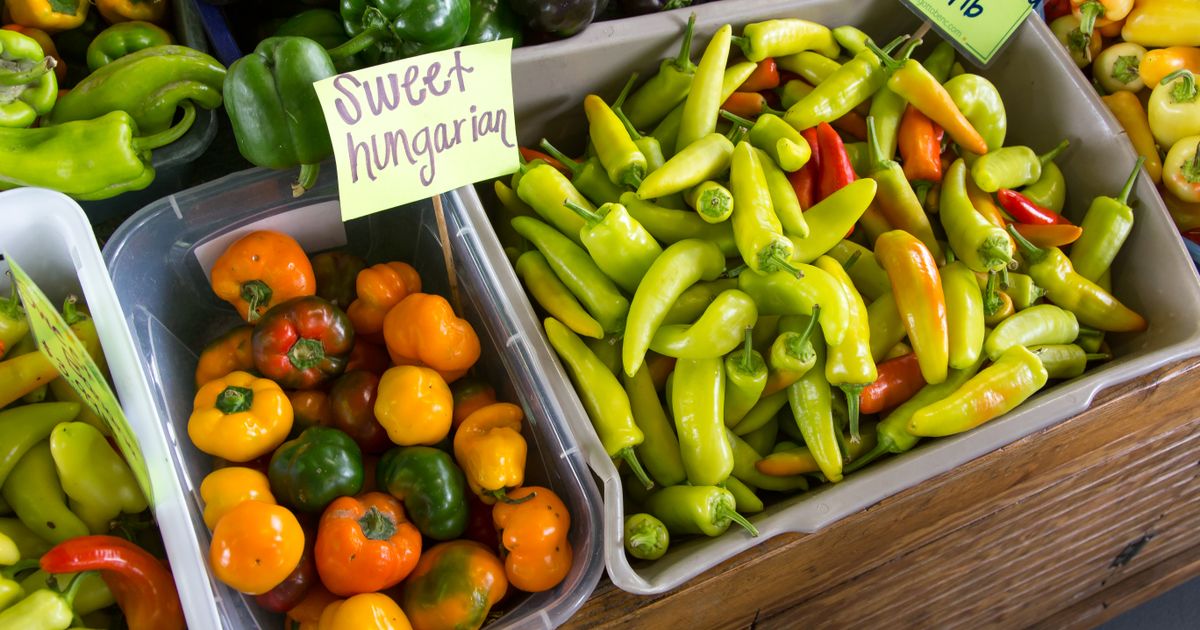
Buying groceries while traveling is one of the most reliable ways to reduce a trip's food spending, yet many travelers never consider it because they assume cooking or self-catering is only for long-term stays. In reality, even a short trip can benefit from a grocery run on the first day, especially for breakfast items, snacks, and drinks that would otherwise be bought piecemeal at a much higher markup.
This article looks at how much grocery shopping typically saves compared to eating out, which categories benefit the most, and when self-catering stops being worth the effort. It pairs naturally with the overall numbers in how much to budget for food per day, since grocery shopping is one of the main tools for pulling a daily food estimate toward the lower end of a typical range.
Why Groceries Cost So Much Less Than Eating Out
A restaurant meal's price covers far more than the ingredients: it includes preparation labor, service, rent for the dining space, and a profit margin on top of the raw food cost. Groceries, by contrast, are priced close to the cost of the ingredients themselves plus a retail markup, which is typically much smaller. This is why a breakfast of eggs, bread, and fruit bought from a grocery store might cost 3 to 6 dollars worth of ingredients for two people, while the same breakfast at even a modest cafe could run 8 to 15 dollars per person.
The savings are most dramatic for simple, high-volume items like bread, fruit, cheese, snacks, and bottled water or soft drinks, where the markup at a restaurant, cafe, or tourist kiosk can be three to five times the grocery store price for the same product.
Typical Savings From Self-Catering Breakfast and Snacks
Many travelers find that self-catering just one meal a day, usually breakfast, produces a noticeable reduction in overall food spending without requiring any real cooking. A simple grocery breakfast might cost 2 to 5 dollars per person in a lower-cost region and 4 to 8 dollars per person in a higher-cost one, compared to 6 to 15 dollars per person for the same meal at a cafe or hotel breakfast buffet. Over a one or two week trip, that single swap alone can save 30 to 100 dollars per person depending on the destination.
Snacks and drinks follow a similar pattern. A bottle of water or a bag of snacks from a grocery store typically costs a quarter to a third of what the same item costs from a convenience store near a tourist attraction, an airport kiosk, or a hotel minibar, and this adds up quickly on hot days or long travel days when a traveler might buy several drinks.
When Full Self-Catering Makes Sense
Cooking full meals, rather than just assembling a simple breakfast or snack plate, makes the most financial sense when a trip includes a kitchen as part of the accommodation, such as a vacation rental or an apartment-style hotel, and when the stay is long enough to justify a larger grocery haul. A traveler cooking two or three meals a day from groceries can often cut their food spending to a third or less of what the same meals would cost eating out every time, which becomes especially meaningful on longer trips of a month or more where food costs accumulate over many weeks.
For shorter trips of under a week, full self-catering is usually less practical, since the time spent shopping and cooking cuts into sightseeing time, and the savings on one or two meals may not be worth the trade-off for every traveler.
What Actually Gets Cheaper and What Does Not
Not every grocery category offers the same savings. Staple items such as bread, pasta, rice, eggs, local fruit, and basic dairy are usually priced close to or below what a visitor from a wealthier country might expect, especially in lower-cost regions. Imported goods, specialty items, and anything resembling a home-country brand, however, can be priced at a premium in a foreign grocery store, sometimes costing more than it would at home, since import costs and lower local demand push prices up.
Alcohol is another category where savings vary widely. In some countries, wine or local beer bought from a grocery store is remarkably inexpensive compared to a bar or restaurant price, while in others, taxes keep grocery store alcohol prices relatively high regardless of where it is purchased.
Practical Ways to Fit Grocery Shopping Into a Trip
A single grocery run on arrival, covering breakfast items, snacks, and drinks for the length of the stay, captures most of the available savings without requiring daily shopping trips. Travelers staying somewhere with a small refrigerator or no kitchen at all can still benefit from buying shelf-stable snacks, fruit, and drinks even if hot meals are not practical to prepare.
It is worth noting that grocery prices themselves vary by store type within a destination, with large supermarkets generally cheaper than small convenience stores or shops located directly in tourist zones, so walking a few extra minutes to a proper supermarket is often worth the time saved in cost.
Illustrative cost comparison for a basic breakfast and a bottle of water, grocery store versus eating out, in USD. Example figures only; actual prices vary by country and store.
| Item | Grocery Store | Cafe / Restaurant / Kiosk |
|---|---|---|
| Simple breakfast, per person | $2-$6 | $6-$15 |
| Bottled water, 500ml | $0.30-$1 | $1.50-$4 |
| Snack bar or chips | $0.50-$2 | $2-$5 |
| Local beer or wine, single serving | $1-$4 | $4-$10 |
How we estimated this
The savings figures here are illustrative estimates based on comparing general grocery store pricing patterns against typical cafe, restaurant, and kiosk prices for equivalent items across popular travel destinations. They are not pulled from a single verified pricing database and should be treated as rough planning guidance rather than exact figures for any specific store or city. Actual savings depend on local taxes, import costs, store type, season, and how much of a meal is actually self-catered versus eaten out, so individual results will vary.
Common mistakes to avoid
- Assuming a full grocery haul is worth it on a very short trip without a kitchen, when the time cost may outweigh the savings.
- Buying imported or home-country brand items at a foreign grocery store, which can cost more than familiar local alternatives.
- Shopping only at small convenience stores near a hotel instead of a larger supermarket a short walk or ride away.
- Overlooking that self-catering saves the most on breakfast and snacks, while dinner savings depend much more on whether a real kitchen is available.
Frequently asked questions
How much money can grocery shopping actually save compared to eating out?
Self-catering a single meal like breakfast, plus snacks and drinks, commonly saves 30 to 100 dollars per person over a one to two week trip, depending on the destination's cost level. Full self-catering of two or three meals a day in a rental with a kitchen can cut food costs to roughly a third of eating out for every meal.
Is it worth buying groceries on a short trip without a kitchen?
It can still be worth it for simple items like fruit, snacks, and drinks that do not require cooking, even without kitchen access. Full meal preparation is usually only worth the effort when a kitchen or kitchenette is available and the trip is long enough to use it more than once or twice.
Are groceries always cheaper abroad than at home?
Staple local items like bread, produce, and basic dairy are often inexpensive in many destinations, but imported goods and familiar home-country brands can actually cost more abroad due to import costs and lower local demand. It helps to buy what is locally common rather than seeking out familiar packaged brands.
Does grocery shopping make sense for a two-person or family trip?
Yes, and the savings often scale up with group size since shared items like bread, snacks, and drinks stretch across multiple people, making the per-person cost of self-catering even lower than for a solo traveler eating the same meals out.
Sources
- Grocery and retail price comparisons published by national statistics offices
- Destination cost-of-living guides covering both grocery and dining categories
- Vacation rental and self-catering accommodation industry cost overviews
- Traveler budget-tracking communities sharing self-catering versus eating-out experiences